Properties Cleared of Hazardous Vegetation Buildup
Brush & Debris Removal in Perry for properties with accumulated limbs, overgrown vegetation, or fire-prone debris piles
Fallen limbs, brush piles, and dense vegetation create fire hazards and prevent effective land use on residential and commercial properties. Perry Land and Tree removes accumulated debris and unwanted vegetation across Perry, clearing land for landscaping projects, construction preparation, or routine property maintenance. Properties throughout middle Georgia accumulate seasonal debris from storms and natural growth cycles, requiring periodic removal to maintain safety and usable outdoor space.
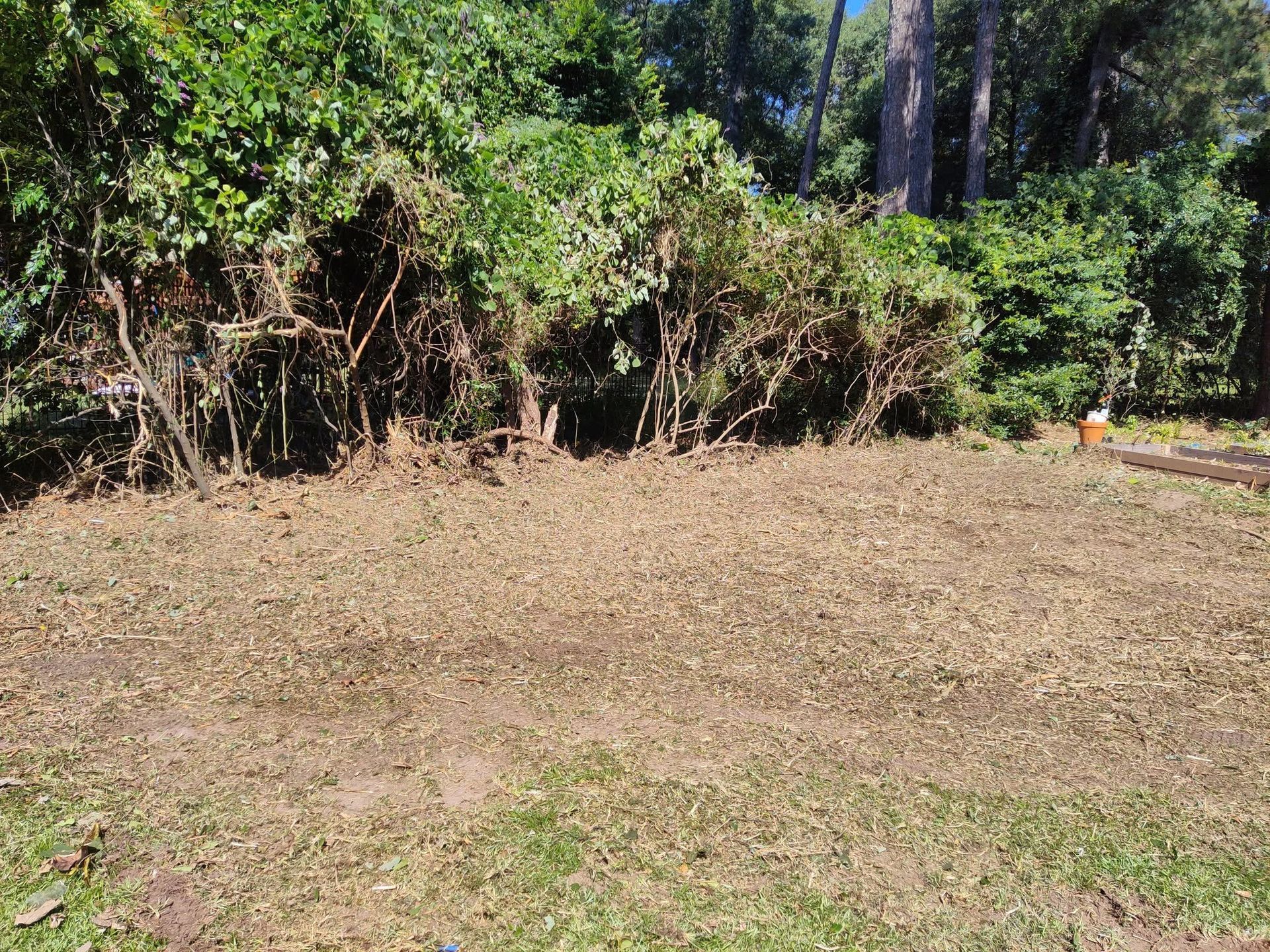
This service addresses brush accumulation from tree work, storm damage, or years of neglected growth that blocks access or creates visual clutter. The removal process includes hauling away debris piles, clearing overgrown vegetation, and preparing ground surfaces for intended use. In areas with dry seasonal conditions, removing combustible debris significantly reduces fire risk near structures.
Schedule a property evaluation to determine the scope of debris removal and site preparation needed for your land.
Effective brush removal involves more than hauling away visible piles. The work includes cutting back overgrown vegetation to ground level, extracting root masses that interfere with future planting, and grading disturbed soil to prevent erosion or drainage problems. Equipment selection depends on debris density and site access, with larger commercial projects requiring heavy machinery to clear accumulated material efficiently.
After completion, you'll notice clear sightlines across your property, elimination of tripping hazards from hidden limbs, and restored access to previously blocked areas. Removal of dense brush also improves air circulation around structures and reduces habitats for pests that thrive in tangled vegetation. Properties prepared through thorough debris removal provide clean foundations for landscaping installation or construction activity without interference from buried limbs or decomposing material.
Seasonal cleanup following spring storms or fall leaf drop requires different approaches than clearing years of accumulated growth. Storm debris often includes larger limbs requiring sectioning before removal, while long-term vegetation buildup may involve invasive species that regrow aggressively if root systems remain intact. Properties used for agricultural purposes need complete clearing to prevent equipment damage during routine operations.
What Property Owners Usually Ask
Questions about debris removal often focus on project scope, timing, and site preparation outcomes.
What happens to removed brush and debris after clearing?
Material is hauled off-site for proper disposal or processing, with organic debris often chipped for mulch or taken to designated green waste facilities rather than burned on-site, which can violate local ordinances during dry conditions common in middle Georgia.
How does seasonal timing affect debris removal projects?
Spring and fall generate the highest volume of natural debris from storm activity and leaf drop, making these periods ideal for comprehensive property cleanup before vegetation enters active growth phases or winter dormancy when frozen ground complicates equipment access.
What preparation helps speed up the removal process?
Marking property boundaries, identifying vegetation you want preserved, and clearing small personal items from work areas allows crews to focus on debris removal without interruptions for clarification, reducing overall project time and cost.
How is brush removal different from land clearing?
Brush removal targets accumulated debris and overgrown vegetation while preserving existing trees and landscape features, whereas land clearing removes all vegetation including root systems and stumps to prepare bare ground for construction or agricultural use.
What factors determine how much debris a property has accumulated?
Years since last clearing, proximity to wooded areas that drop limbs and seeds, storm frequency, and previous tree work all contribute to debris volume, with properties near mature tree lines in Perry typically accumulating more material than open lots with minimal canopy cover.
Perry Land and Tree handles debris removal projects year-round, with scheduling flexibility to address seasonal cleanup or prepare sites for upcoming construction. Contact the office to arrange an on-site assessment and receive a detailed estimate based on current property conditions.