Immediate Response When Trees Threaten Safety
Emergency Services in Perry for fallen trees blocking access, damaged limbs threatening structures, or hazardous conditions after storms
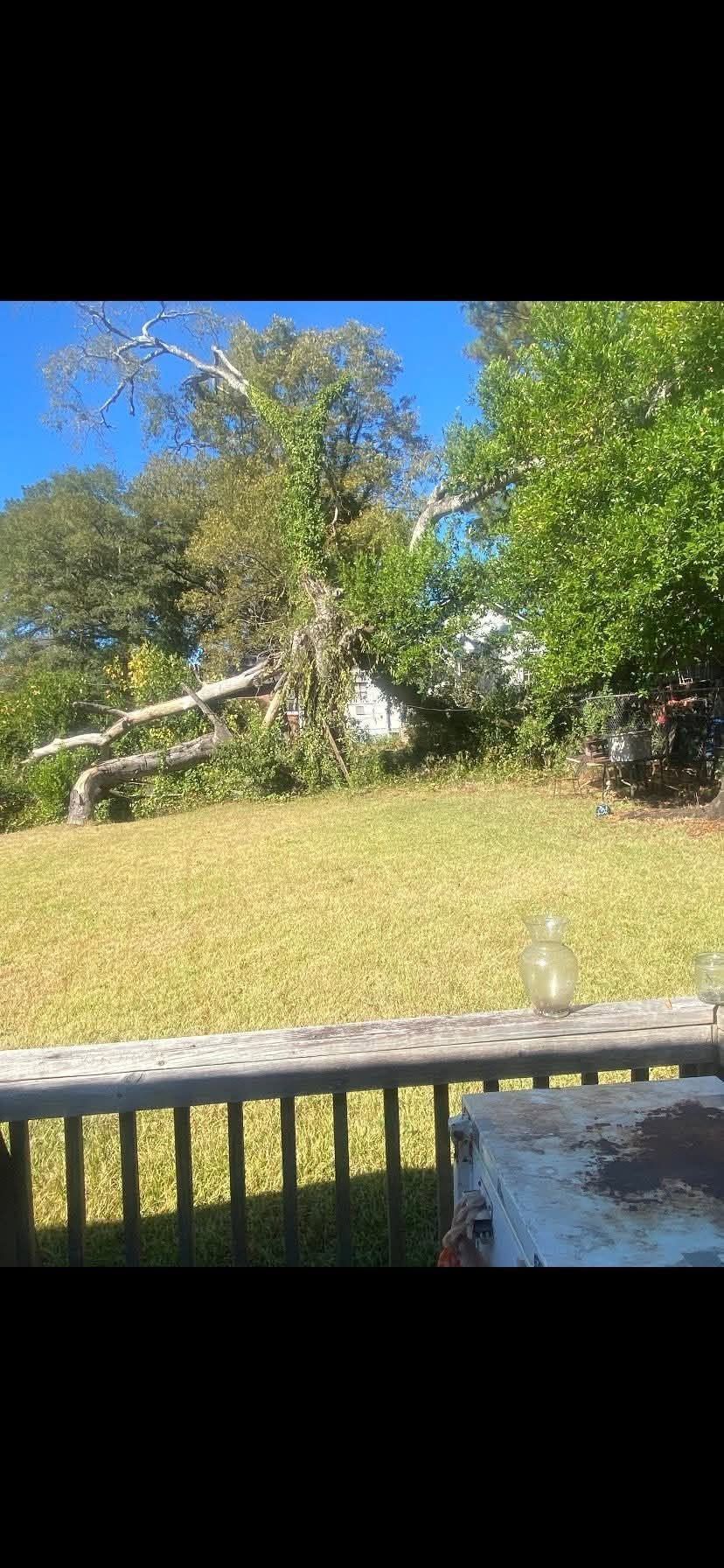
Unexpected tree failures during storms or high winds create immediate safety risks when trunks block driveways, limbs penetrate rooflines, or unstable trees lean toward buildings. Residential and commercial properties across Perry face urgent situations requiring rapid assessment and removal to restore safe access and prevent additional structural damage. Storm systems moving through middle Georgia often produce sudden wind bursts that topple trees weakened by saturated soil or previous damage, creating hazardous conditions without warning.
Perry Land and Tree prioritizes emergency calls to address fallen trees and dangerous hanging limbs that compromise property safety. The response includes assessing structural risks, stabilizing unstable trees, removing debris blocking roads or entryways, and sectioning damaged material for safe extraction. Properties with trees resting on power lines require coordination with utility companies before removal work begins to prevent electrical hazards during extraction.
Call immediately when tree failures create safety concerns or block critical property access.
Emergency response begins with site evaluation to identify immediate threats and determine safe removal sequences. Fallen trees often remain under tension from twisted trunks or compressed limbs, requiring strategic cutting patterns to release pressure gradually without sudden shifts that could injure workers or damage additional property. Equipment brought to emergency sites includes rigging systems, chainsaws rated for large-diameter cuts, and material handling machinery capable of lifting sections weighing several hundred pounds.
Once emergency removal is complete, you'll notice restored vehicle access to driveways and roads, elimination of structural threats from leaning trunks or hanging limbs, and cleared pathways around buildings that were previously obstructed. Properties with significant storm damage often require follow-up inspections to identify additional trees destabilized by the same weather event that may fail in subsequent days as root systems shift in saturated ground.
Emergency work focuses on immediate safety restoration rather than complete site cleanup. Stump grinding, minor debris removal, and landscape restoration typically occur during scheduled follow-up visits after urgent hazards are eliminated. Properties with extensive damage may need temporary fencing or barricades around work zones until all unstable trees are addressed and final cleanup is completed.
Answers to Frequent Service Questions
Emergency tree situations raise specific concerns about response timing, safety protocols, and next steps after initial removal.
How quickly can emergency crews respond to urgent situations?
Response times depend on current call volume and crew availability, with life-threatening situations prioritized ahead of property damage without immediate safety risks, though most emergency calls in Perry receive same-day assessment during business hours and next-morning response for overnight incidents.
What qualifies as a true tree emergency versus routine removal?
Emergencies involve active safety threats such as trees blocking evacuation routes, limbs resting on structures, unstable trunks leaning toward occupied buildings, or vegetation contacting power lines, while removals that can wait days without increased risk are scheduled as standard service calls.
How does rain or darkness affect emergency tree work?
Wet conditions complicate equipment operation on saturated ground and reduce visibility for hazard assessment, sometimes requiring partial stabilization followed by full removal once conditions improve, while nighttime work proceeds only when adequate lighting can be established safely around active hazards.
What documentation should property owners gather during tree emergencies?
Photographs of damage from multiple angles, notes on when failure occurred, and contact information for insurance providers help streamline claims processing, with Warner Robins and Perry area insurers typically requiring detailed documentation before approving coverage for emergency tree removal costs.
What happens if fallen trees damage utility infrastructure?
Property owners must contact utility companies immediately to disconnect power or other services before removal work begins, as trees entangled with electrical lines remain energized and pose electrocution risks until utility crews confirm safe working conditions around damaged infrastructure.
Perry Land and Tree maintains emergency response capacity throughout the year to address unexpected tree failures across the service region. Request immediate assistance for urgent tree hazards, or arrange follow-up appointments to address non-critical concerns identified during emergency site visits.