Access Restored After Severe Weather
Storm Damage Cleanup in Perry for fallen trees and broken limbs blocking driveways and threatening structures
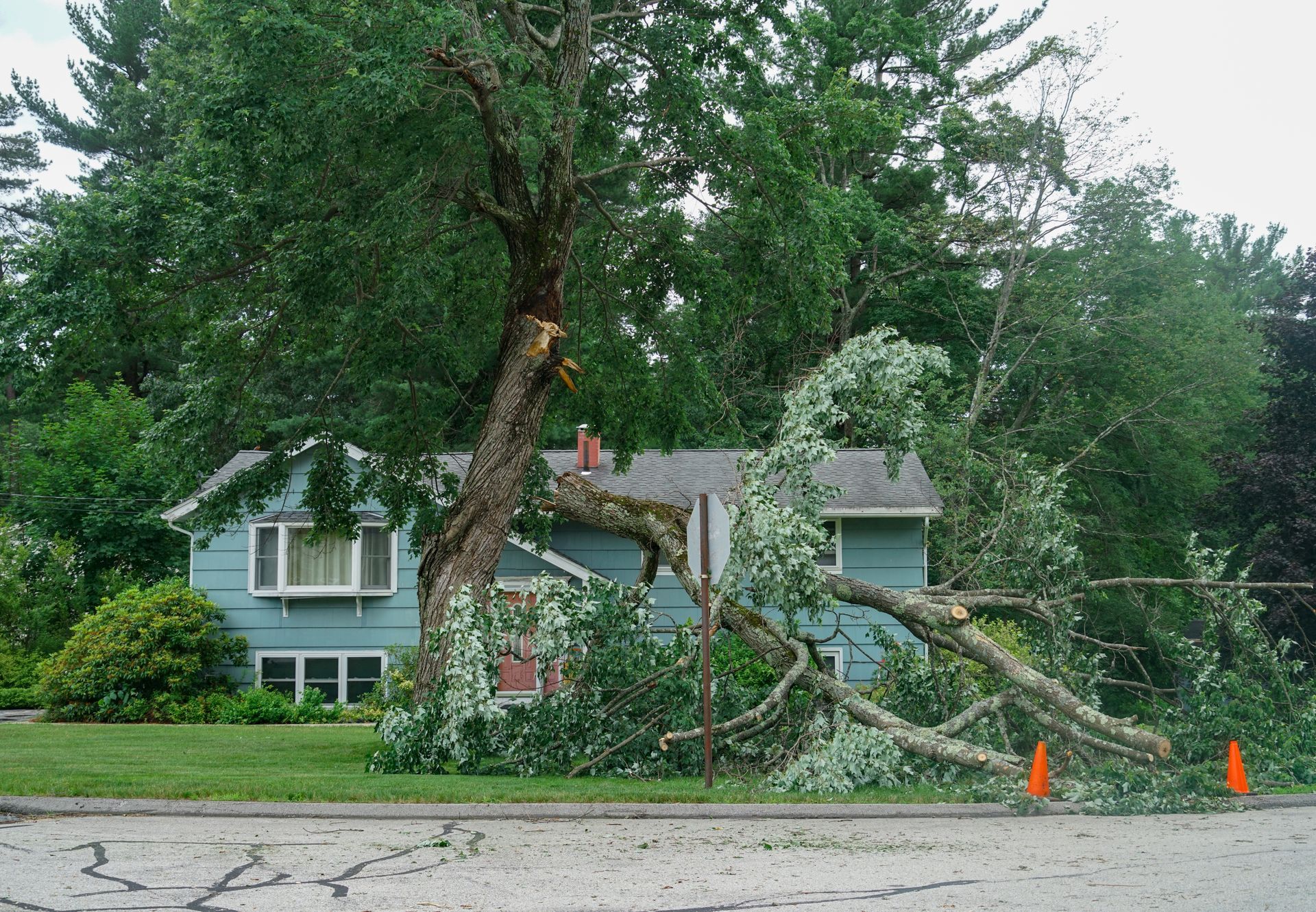
Thunderstorms, high winds, and ice storms in middle Georgia cause trees to fail suddenly, dropping trunks across driveways, tearing limbs onto rooflines, and leaving debris piled against fences and outbuildings. Perry Land and Tree responds quickly to storm damage across Perry and surrounding areas, removing fallen trees and hazardous branches that block access or threaten additional property damage if left in place. The goal is to clear debris efficiently, restore safe entry to homes and businesses, and remove hazards before secondary failures occur during cleanup.
Cleanup work prioritizes removing trees or limbs that block roadways, driveways, or building entrances, then addresses partially fallen trees still lodged in canopies or leaning against structures where they could drop unpredictably. Chainsaw crews cut material into manageable sections, haul debris to disposal sites, and clear the property so normal activity can resume while permanent repairs are planned.
Call immediately after storm damage occurs to schedule rapid response and prevent further property damage from unstable trees.
Storm damage varies from isolated branch failures to complete tree collapses that require rigging and controlled cutting to avoid damaging whatever the tree landed on. Crews assess which trees are still standing but compromised—splits in trunks, root plates lifted from the ground, or canopies shifted off-center—and remove those hazards before they fail on their own and cause worse damage than the initial storm did.
Once cleanup is complete, you'll notice that driveways and walkways are clear for vehicle and foot traffic, debris no longer leans against structures where it could cause additional damage during the next weather event, and hanging limbs that threatened to fall during the next windstorm have been removed. Properties with significant storm damage see large volumes of wood and branches hauled away, leaving the yard functional even if landscaping repairs and replanting remain as future projects.
Emergency cleanup focuses on removing fallen material and immediate hazards, though it does not include stump grinding, long-term tree trimming, or landscape restoration work. Those services are scheduled separately once the property is stabilized and the full extent of damage is visible with debris cleared.
Questions Before Starting Your Project
Storm damage creates urgent situations where property owners need rapid response to restore access and safety, and understanding what cleanup involves helps set expectations during stressful situations.
What should I do immediately after a tree falls on my property?
Avoid contact with fallen trees that are touching power lines, call your utility company if lines are involved, and document damage with photos for insurance claims before cleanup begins, then contact a tree service to remove the debris once the area is confirmed safe from electrical hazards.
How quickly can storm damage cleanup begin in Perry after severe weather?
Response time depends on the severity of the storm and the number of properties affected, with emergency calls prioritized based on whether damage blocks access, threatens structures, or creates immediate safety hazards, and cleanup typically begins within hours to a day depending on demand following widespread storm events.
Why do some damaged trees need removal even if they're still standing?
Trees with split trunks, exposed root systems lifted partially out of the ground, or canopies that shifted off-center during high winds have lost structural integrity and will fail unpredictably during future weather events, creating greater risk than the initial storm damage, so removal while conditions are controlled is safer than waiting for uncontrolled collapse.
What happens to the debris removed during storm cleanup?
Cut material is hauled to disposal sites or processing facilities as part of the cleanup service, with larger logs sometimes cut into firewood lengths and left stacked on-site if requested, though most property owners prefer complete debris removal so they can assess remaining damage and begin planning repairs without piles of wood obstructing the property.
How does storm damage cleanup differ from regular tree removal?
Emergency cleanup prioritizes rapid response and debris removal over careful dismantling, focuses on restoring access rather than preserving surrounding landscaping that may already be damaged, and often involves cutting trees under tension or in unstable positions that require rigging and careful sectioning to prevent additional harm during the removal process.
Rapid response limits secondary damage and restores property function following severe weather events. Perry Land and Tree mobilizes equipment and crews quickly to address fallen trees, hanging limbs, and blocked access throughout the Perry service area. Contact (478) 796-0350 immediately when storm damage creates hazards or prevents access to your home or business.